BPC-157
$25.00 $58.00Price range: $25.00 through $58.00
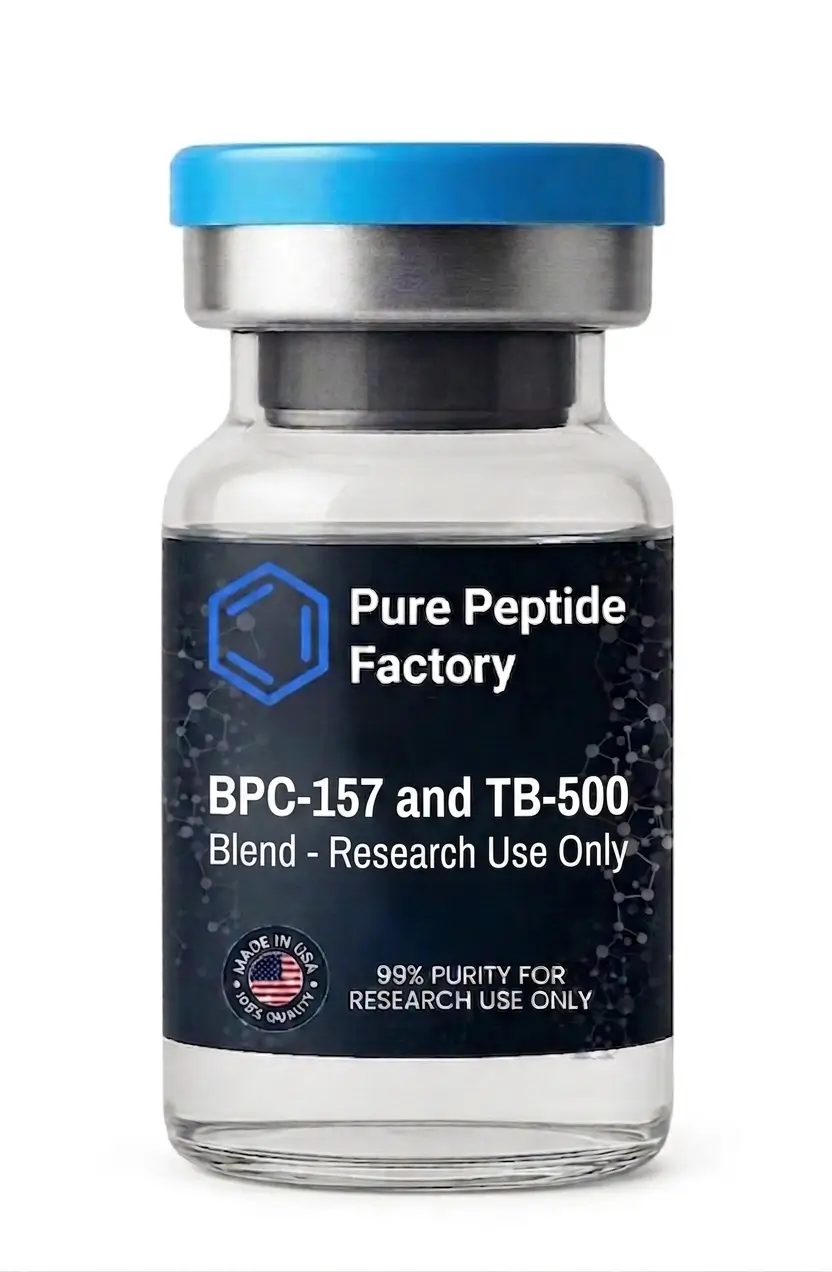
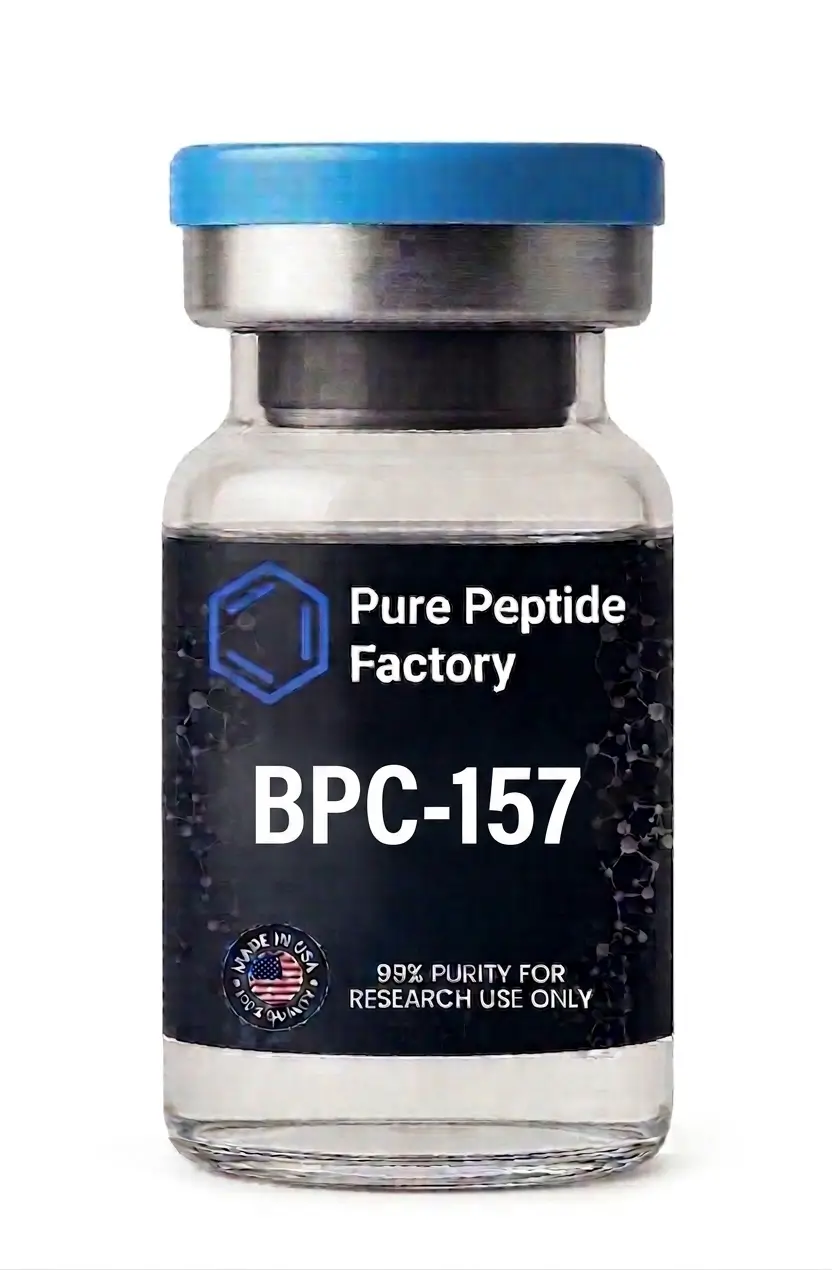
Researchers searching BPC-157 near me typically find either clinics requiring prescriptions or overseas vendors with unreliable cold-chain. Pure Peptide Factory is the domestic alternative. Research-grade Body Protection Compound 157, a 15-amino-acid pentadecapeptide studied for angiogenesis via VEGFR2-Akt-eNOS signaling, tendon and ligament repair, and gastrointestinal mucosal integrity. HPLC verified at 98% minimum purity, batch-specific COA available before purchase. 2mg, 5mg, and 10mg vials. Research use only.
BPC-157 Near Me: Research-Grade Pentadecapeptide
Researchers searching for BPC-157 near me run into the same three walls. Compounding pharmacies require a prescription and restrict the compound to specific indications. Clinics offering BPC-157 injection protocols operate in a regulatory gray zone, and the FDA classified bulk BPC-157 as a substance presenting significant safety risks for compounding in 2024. International suppliers ship from overseas with no temperature guarantee. Pure Peptide Factory is the domestic research-grade alternative. We synthesize BPC-157 domestically, ship in cold-chain packaging, and deliver to your lab within 1 to 3 business days.
If you are studying angiogenesis, the VEGFR2-Akt-eNOS pathway, tendon and ligament repair, or gastrointestinal cytoprotection, this is the compound you need, and we have it in stock with the documentation your research requires.
Why Researchers Choose Pure Peptide Factory for BPC-157
Domestic Cold-Chain Shipping Solves the “Near Me” Problem
Peptide integrity drops with every hour at the wrong temperature. That is the real reason researchers search for BPC-157 near me. It is not about convenience; it is about receiving compound that performs the same way it did when it left the synthesis facility. We ship from domestic cold-storage using phase-change cooling rated for 96-hour protection. Most orders reach your lab within 1 to 3 business days, which matters especially for a peptide increasingly used in translational research.
HPLC and Mass Spectrometry Documentation per Batch
BPC-157 is a 15-amino-acid sequence (GEPPPGKPADDAGLV) derived from a protective protein in human gastric juice. Short sequences are easy to mislabel, and the research community has flagged BPC-157 sourcing inconsistency repeatedly on Reddit and in published reviews. Every batch we ship includes a lot-specific HPLC chromatogram and mass spectrometry report verifying the 1419.56 g/mol molecular weight, with the Certificate of Analysis downloadable before your order ships.
Three Vial Sizes for Protocol Flexibility
We stock BPC-157 in 2mg, 5mg, and 10mg vials. Pilot studies, standard rodent protocols, and extended institutional research all have a configuration without splitting vials or overbuying. Because BPC-157 research protocols vary widely across GI, musculoskeletal, and neuroprotection applications, vial range matters.
Synthesis Logs Archived for 24 Months
Every batch is documented and archived. If your IRB or institutional compliance office requires chain-of-custody records, synthesis documentation, or retention samples, they are available on request.
What Is BPC-157?
A Synthetic Pentadecapeptide from Gastric Juice
BPC-157 stands for Body Protection Compound 157. It is a synthetic 15-amino-acid peptide corresponding to a fragment of a larger protective protein originally isolated from human gastric juice. The compound was first characterized by Sikirić and colleagues at the University of Zagreb in the 1990s, and the research literature has grown to more than 300 publications since then.
The sequence contains an unusual abundance of proline residues, which confers structural rigidity and resistance to enzymatic degradation. As a result, BPC-157 demonstrates gastric acid stability that most peptides do not have. This structural feature is why oral administration produces measurable biological effects where other research peptides would be completely degraded before absorption.
Molecular Profile:
- Sequence: Gly-Glu-Pro-Pro-Pro-Gly-Lys-Pro-Ala-Asp-Asp-Ala-Gly-Leu-Val (GEPPPGKPADDAGLV)
- Molecular Formula: C62H98N16O22
- Molecular Weight: 1419.56 g/mol
- CAS: 137525-51-0
- Synonyms: Body Protection Compound 157, PL 14736, pentadecapeptide BPC-157, stable gastric pentadecapeptide
How BPC-157 Works: Current Mechanistic Research
The 2025 Regeneration or Risk narrative review (Krizmanić et al., PMC) and the 2025 Vasireddi et al. systematic review in Orthopaedic Sports Medicine consolidated the mechanistic picture that emerged from 30+ years of preclinical work. BPC-157 operates through several overlapping pathways rather than a single dominant mechanism:
VEGFR2-Akt-eNOS angiogenesis axis. Hsieh et al. (2017, 2020) demonstrated that BPC-157 enhances vascular endothelial growth factor receptor-2 activity and nitric oxide synthesis through the Akt-endothelial nitric oxide synthase pathway. This drives new blood vessel formation at injury sites, which is especially important in poorly vascularized tissues like tendons and ligaments.
Src-Caveolin-1-eNOS vasomotor modulation. The same research group documented that BPC-157 modulates vasomotor tone through Src-Cav-1-eNOS signaling in endothelial cells, explaining vascular effects beyond pure angiogenesis.
Growth hormone receptor upregulation. In tendon fibroblasts and damaged tissue, BPC-157 increases growth hormone receptor density, amplifying anabolic signaling at the injury site without raising systemic GH levels.
ERK1/2 and FAK-paxillin signaling. These pathways drive endothelial and muscle cell migration, a critical step in tissue repair. BPC-157 activates both, consistent with its effects on cell proliferation and wound closure in preclinical models.
Cytoprotective factor upregulation. BPC-157 increases heme oxygenase-1 (HO-1) and heat shock protein expression, preserving mitochondrial integrity and reducing oxidative stress in multiple tissue types.
Because BPC-157 engages multiple pathways simultaneously, its preclinical effects span gastrointestinal, musculoskeletal, cardiovascular, and neurological models. For researchers, this breadth is the double-edged sword of the compound. It makes BPC-157 useful across many research questions, but it also makes clean mechanistic studies harder to design.
BPC-157 Research Applications
Tendon, Ligament, and Musculoskeletal Repair
The 2025 Vasireddi et al. systematic review in Orthopaedic Sports Medicine analyzed 36 studies from 1993 to 2024 on BPC-157 in musculoskeletal research. The review documented consistent effects on tendon-to-bone healing, muscle tear recovery, and ligament repair in animal models, alongside the first published human pilot data: 7 of 12 patients with chronic knee pain reported relief lasting more than six months after a single BPC-157 knee injection.
Research using our compound examines:
- Achilles tendon transection recovery with biomechanical load testing
- Rotator cuff repair models examining tendon-to-bone reintegration
- Medial collateral ligament healing under controlled stress protocols
- Quadriceps transection recovery (Staresinic et al. documented 92% biomechanical strength recovery at 72 hours)
- Growth hormone receptor expression quantification in fibroblasts
Gastrointestinal Cytoprotection and Mucosal Healing
BPC-157 was originally discovered as a gastric juice component, so GI research remains the deepest application area. The peptide accelerates gastric ulcer healing, reduces intestinal permeability in colitis models, and promotes anastomotic healing following surgical intervention. In colon-colon anastomosis rat models, BPC-157 improved biomechanical colon resistance by 76.5% and bursting pressure by 61.5% compared to controls.
Research endpoints include mucin layer integrity, tight junction protein expression (ZO-1, claudins), inflammatory cytokine profiles (IL-6, TNF-alpha, IL-1beta), and histological scoring of mucosal damage and regeneration.
Neuroprotection and CNS Research
BPC-157 crosses the blood-brain barrier and produces measurable effects in multiple CNS injury models. In rat spinal cord injury protocols, treatment resolved spasticity by day 15, counteracted axonal and neuronal necrosis, and prevented demyelination and cyst formation. In traumatic brain injury models, it reduced oxidative stress and neuroinflammation while preserving cognitive function on behavioral assays.
The 2020 Sikirić review in the Pentadecapeptide BPC-157 and the CNS literature documented effects on stroke recovery (bilateral carotid artery occlusion models), glutamatergic signaling restoration after NMDA receptor overactivation (ketamine and MK-801 models), and adrenergic balance modulation. Research continues on neurotrophic factor pathways and peripheral nerve regeneration following sciatic nerve transection.
Vascular and Cardiovascular Research
The nitric oxide and eNOS mechanism makes BPC-157 relevant for vascular research beyond simple angiogenesis. Published work examines post-ischemic recovery, endothelial function preservation, and vasomotor tone modulation. The Src-Caveolin-1-eNOS pathway identified by Hsieh et al. provides a specific molecular target for mechanistic studies examining how BPC-157 influences vascular biology.
Research applications include coronary ligation-reperfusion models, peripheral arterial disease research, and endothelial cell culture studies quantifying NO production and eNOS phosphorylation.
BPC-157 Oral vs Injection: What the Pharmacokinetic Data Actually Shows
The oral versus injection question is the most common BPC-157 research inquiry because, unlike most peptides, both routes produce measurable effects. He et al. (Frontiers in Pharmacology, 2022) provided the definitive pharmacokinetic comparison in rats and dogs.
| Route | Bioavailability | Peak Plasma | Practical Application |
|---|---|---|---|
| Subcutaneous injection | >80% | 15 to 30 minutes | Systemic research (musculoskeletal, CNS, vascular) |
| Oral (free base) | ~3% in rat PK | 45 to 60 minutes (modest peak) | GI-focused research, high-dose protocols |
| Oral (arginate salt) | Higher than free base | 20 to 45 minutes | Research requiring oral delivery with improved systemic exposure |
For gastrointestinal research, oral administration is often preferred because the GI tract receives a high local dose even though systemic bioavailability is low. Gastric ulcer healing, colitis, and intestinal permeability studies routinely use oral gavage at 10 to 100 mcg/kg in rat models. The peptide’s gastric acid stability, derived from its high proline content, allows oral administration to deliver intact compound to the duodenum and small intestine.
For musculoskeletal, CNS, or vascular research, subcutaneous injection is the standard because systemic bioavailability matters. Injectable protocols use substantially lower doses than oral protocols to produce equivalent systemic effects. Nasal spray administration is an emerging research route that bypasses first-pass metabolism and produces faster CNS exposure, though formal PK data is limited.
We do not provide human dosing recommendations. The pharmacokinetic references above come from peer-reviewed rat and dog studies. Human PK data does not exist in published literature, and no FDA-approved human indication exists for BPC-157.
BPC-157 vs TB-500: The Two Most Studied Healing Peptides
The comparison most researchers want is BPC-157 vs TB-500 (thymosin beta-4 fragment), because both are used in tissue repair protocols. They operate through different mechanisms and produce distinct research profiles:
| Feature | BPC-157 | TB-500 (Thymosin Beta-4 Fragment) |
|---|---|---|
| Type | Synthetic 15-amino-acid pentadecapeptide | Synthetic 17-amino-acid peptide fragment |
| Origin | Fragment of gastric juice protective protein | Fragment of thymosin beta-4, naturally present in platelets |
| Primary mechanism | VEGFR2-Akt-eNOS angiogenesis, GH receptor upregulation | Actin binding, cell migration, anti-inflammatory |
| Tissue focus | Tendon, ligament, GI mucosa, CNS | Muscle, skin, cardiac, wound healing |
| Oral bioavailability | ~3% free base, higher with arginate salt | Minimal oral activity |
| Research advantage | GI and tendon specificity | Broad cell migration and anti-inflammatory coverage |
| Combined research | Often co-administered (“Wolverine stack” in community literature) | Often co-administered |
Researchers running head-to-head comparisons or combination protocols typically source both compounds from the same supplier to control for batch variability. We stock both under identical cold-storage conditions. Your comparison data stays clean.
BPC-157 vs Sermorelin
Sermorelin is a growth hormone releasing hormone analog that acts at the pituitary to stimulate endogenous GH secretion. BPC-157 operates locally at injury sites by upregulating growth hormone receptors in damaged tissue. The distinction matters because these compounds answer different research questions: sermorelin for systemic GH axis studies, BPC-157 for local tissue repair research. They are not substitutes, and they do not duplicate each other’s effects.
BPC-157 Reddit Discussions: What the Research Community Is Asking
Dosage Protocols in Published Research
Reddit discussions on BPC-157 dosage reflect genuine uncertainty because human clinical data is limited. The animal research dosing framework is clearer:
- Mouse GI research: 10 to 160 mcg/kg subcutaneously or via drinking water
- Rat musculoskeletal models: 10 to 100 mcg/kg intraperitoneally or subcutaneously, typically daily
- Rat neuroprotection: 10 to 40 mcg/kg depending on CNS endpoint
- Oral gavage rat protocols: 10 to 500 mcg/kg at 2 to 3 times injectable dose due to reduced bioavailability
The BPC-157 and TB-500 Combination Question
Community protocols (often called the Wolverine stack on Reddit and peptide forums) combine BPC-157 and TB-500 for musculoskeletal research. No peer-reviewed clinical trial has examined this combination in humans. Animal research examining co-administration is limited. Researchers designing combination protocols should work from the individual compound pharmacology rather than community extrapolations.
Timing and Administration Questions
The “best time to take BPC-157” question has limited research basis. Pre-injury administration produces different effects than post-injury administration in animal models. Fasted versus fed state affects oral absorption kinetics but systematic timing research is sparse. For injection protocols, time of day has not been shown to matter in published research.
We supply research-grade compound. We do not provide human protocols. The references above are for laboratory research design context only.
How to Reconstitute BPC-157
Step-by-Step Laboratory Protocol
- Sanitize the vial stopper with 70% isopropyl alcohol
- Inject bacteriostatic water slowly against the vial wall. Do not aim directly at the lyophilized cake
- Allow the cake to dissolve without agitation for 2 to 3 minutes
- Gently swirl until the solution is clear. Do not shake
- Inspect for clarity and label with date and concentration before use
Concentration reference:
- 2mg vial + 1mL water = 2mg/mL
- 5mg vial + 1mL water = 5mg/mL, or + 2mL = 2.5mg/mL
- 10mg vial + 2mL water = 5mg/mL, or + 5mL = 2mg/mL
- Scale to your protocol target concentration
Storage Requirements
- Lyophilized powder: 24 months at -20°C, protected from light
- Reconstituted solution: 14 to 21 days at 2 to 8°C. Do not freeze reconstituted BPC-157
- The proline-rich structure is more stable than typical peptides, but standard cold-storage still applies
- Avoid repeated freeze-thaw cycles
BPC-157 Near Me: Regulatory Context
FDA Status and the 2024 Compounding Restriction
BPC-157 is not FDA approved for any indication. In 2024, the FDA classified BPC-157 among bulk drug substances presenting significant safety risks for use in compounding, which restricts compounding pharmacy access under section 503A. The World Anti-Doping Agency added BPC-157 to the banned substances list in 2022, though it is not currently on the 2026 prohibited list. Research-grade BPC-157 remains legally available for laboratory research under research-use-only terms.
Why This Matters for Research Sourcing
The 2024 FDA compounding restriction changed how researchers access BPC-157. Compounding pharmacies that previously supplied BPC-157 to clinics now face regulatory constraints. This has pushed institutional and independent researchers toward research-grade peptide suppliers who operate under separate research-use-only frameworks. Pure Peptide Factory is one of the domestic suppliers that continues to manufacture research-grade BPC-157 with batch-specific documentation.
Research Use Only
This compound is sold strictly for laboratory research. It is not for human consumption, veterinary use, or diagnostic application. You must agree to research-use-only terms at checkout.
Product Specifications
Available Configurations
BPC-157 is available in 2mg, 5mg, and 10mg vials. Select your configuration from the product options above.
Quality Verification
- Purity: 98% minimum (HPLC verified)
- Identity: Mass spectrometry confirmed against the 1419.56 g/mol target
- Endotoxin: Less than 0.1 EU/mL
- Sterility: Verified per USP 71
- Form: Lyophilized powder
- Storage: -20°C long-term, 2 to 8°C short-term after reconstitution
Current Batch: #PPF-BPC-0426 Purity: 99.2% Download: HPLC Certificate | MS Report
FAQ
What is BPC-157 peptide used for in research?
BPC-157 is used in musculoskeletal repair research (tendon, ligament, muscle, bone), gastrointestinal cytoprotection (gastric ulcer, colitis, anastomosis), neuroprotection (spinal cord injury, traumatic brain injury, stroke), and vascular biology research focused on the VEGFR2-Akt-eNOS angiogenesis pathway. It is one of the most broadly studied healing peptides in preclinical literature.
Where can I find BPC-157 near me?
Pure Peptide Factory ships research-grade BPC-157 domestically from US cold-storage. Most orders reach your lab within 1 to 3 business days. Unlike clinics that require prescriptions or compounding pharmacies restricted under the 2024 FDA bulk substance guidance, research-grade BPC-157 is available for laboratory procurement under research-use-only terms.
Can BPC-157 be taken orally?
In research models, yes, with caveats. He et al. (Frontiers in Pharmacology, 2022) measured oral bioavailability at approximately 3% in rats compared to greater than 80% subcutaneous bioavailability. For GI-focused research, oral administration delivers high local doses to the digestive tract even at low systemic bioavailability. For musculoskeletal or CNS research, injection produces substantially higher systemic exposure at lower doses.
What is the difference between BPC-157 oral vs injection?
Injection produces 25 to 30 times higher systemic bioavailability than oral free-base BPC-157. Oral protocols in rat studies use 2 to 3 times the injectable dose to achieve comparable systemic effects, while GI-focused research often uses oral administration because the local gut concentration is high regardless of systemic absorption. See the oral vs injection section above for the full pharmacokinetic comparison.
How does BPC-157 compare to TB-500?
BPC-157 primarily acts through VEGFR2-Akt-eNOS angiogenesis signaling and growth hormone receptor upregulation. TB-500 acts through actin binding and cell migration pathways. BPC-157 research focuses on tendon, GI mucosa, and CNS applications. TB-500 research focuses on muscle, cardiac, and skin. They are often combined in research protocols but operate through distinct mechanisms.
What is BPC-157’s FDA status?
BPC-157 is not FDA approved for any indication. In 2024, the FDA classified BPC-157 as a bulk drug substance presenting significant safety risks for compounding pharmacy use. Research-grade BPC-157 remains legally available for laboratory research under research-use-only provisions. It is not a controlled substance in the United States.
What dosages does BPC-157 research use?
Rat musculoskeletal protocols typically use 10 to 100 mcg/kg subcutaneously or intraperitoneally, daily. GI protocols use 10 to 160 mcg/kg via drinking water or oral gavage. Neuroprotection research uses 10 to 40 mcg/kg depending on CNS endpoint. Human clinical dosing has not been established in peer-reviewed trials. See the Reddit section above for research dosing framework.
What is the best time to take BPC-157 in research protocols?
Pre-injury versus post-injury timing produces different effects in animal models. Fasted versus fed state affects oral absorption but systematic timing research is sparse. For injection protocols, time of day has not been shown to alter outcomes in published research. We do not provide human protocols.
Is BPC-157 the same as BPC-159?
No. BPC-157 is the original 15-amino-acid pentadecapeptide. BPC-159 refers to a different research compound occasionally marketed as an analog but without substantial published research backing. The BPC-157 literature spans 300+ publications. Researchers should work with BPC-157 unless a protocol specifically requires the different analog.
How should BPC-157 be stored?
Lyophilized powder stores at -20°C for up to 24 months protected from light. Reconstituted solution stores at 2 to 8°C for 14 to 21 days. Do not freeze reconstituted solution. The proline-rich structure is more stable than typical peptides, but standard cold-storage precautions apply.
Order BPC-157 for Research
Secure Checkout
- Credit card, cryptocurrency, or wire transfer
- Same-day dispatch for orders placed before 2 PM EST
- Cold-chain packaging with phase-change cooling
- Discreet labeling with full tracking
Institutional Accounts
Net-30 terms and purchase order acceptance available for universities and pharmaceutical companies. Contact us for bulk pricing on 50 vials or more.
Add to cart and get research-grade BPC-157 delivered domestically without the sourcing uncertainty the 2024 FDA guidance created.