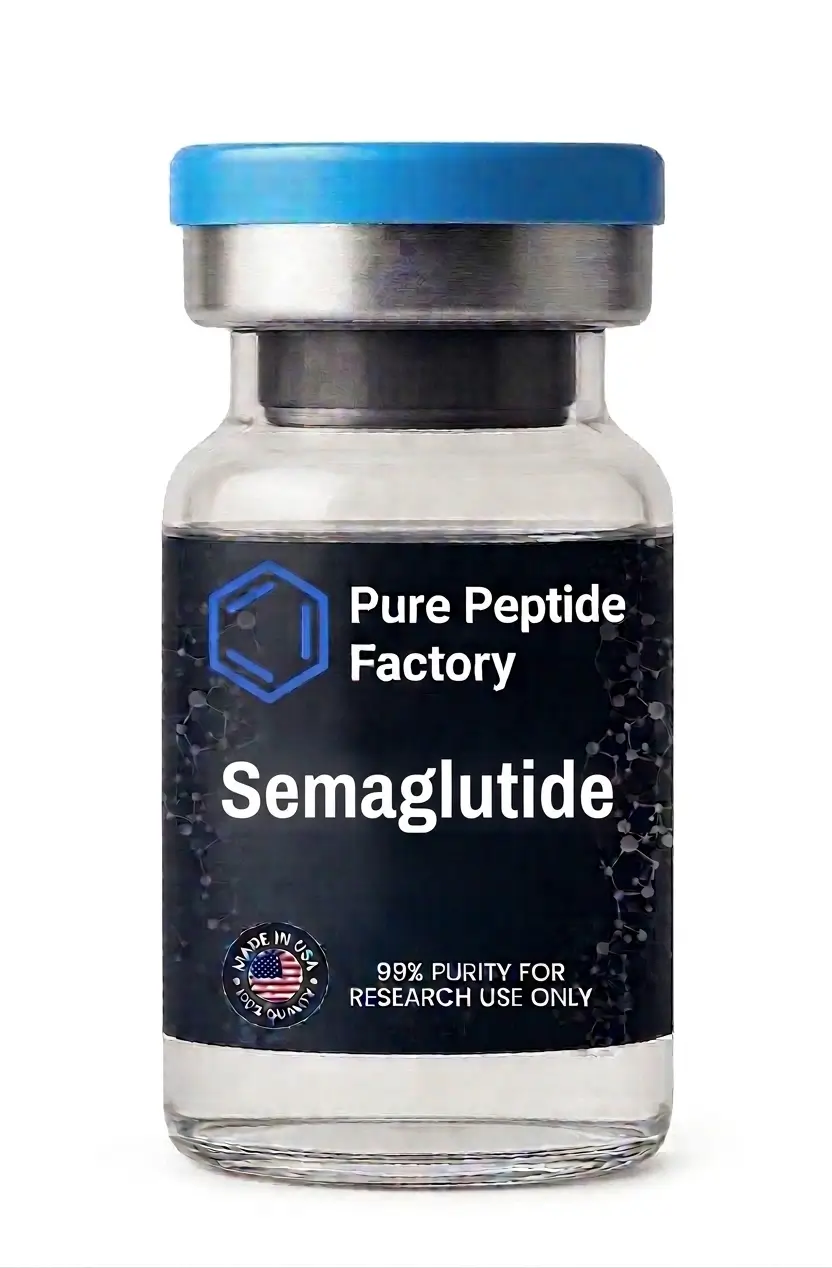
Semaglutide 50 mg
$40.00 $186.00Price range: $40.00 through $186.00
Semaglutide peptide therapy research compound is a synthetic GLP-1 receptor agonist analog with FDA-approved clinical trial data behind it. Researchers use semaglutide to study glucose metabolism, insulin secretion dynamics, visceral fat reduction, cardiovascular protection, and neurological function. Available in seven configurations from 2mg to 50mg per vial, giving laboratories the widest dose range of any domestic supplier. HPLC verified, batch-documented, domestic cold-chain shipping. Research use only.
Semaglutide Peptide Therapy: The GLP-1 Research Compound with Seven Vial Configurations
Semaglutide peptide therapy research stands apart from every other GLP-1 compound in the catalog because the molecule behind it, Ozempic and Wegovy, has completed Phase 3 clinical trials and received FDA approval for two separate indications. Consequently, researchers studying semaglutide peptide therapy work with a compound that has validated human dosing data, a characterized safety profile, and a depth of published clinical evidence that synthetic analogs without regulatory history simply cannot match.
Furthermore, the keyword “peptide sciences semaglutide” still generates 720 monthly searches from researchers who have not yet found a replacement supplier after Peptide Sciences permanently closed in 2026. Pure Peptide Factory maintains consistent domestic inventory of research-grade semaglutide in seven configurations from 2mg through 50mg per vial. As a result, laboratories of every scale, from pilot cell culture studies through extended multi-cohort institutional protocols, find the right vial size without splitting compound or overbuying.
Additionally, our semaglutide peptide therapy supply ships same-day from domestic cold-storage with phase-change cooling and arrives within 1 to 3 business days. Every vial includes a lot-specific HPLC chromatogram and mass spectrometry report confirming the molecular weight at 4113.58 g/mol and sequence identity before your protocol begins.
Why Researchers Buy Semaglutide Peptide Therapy from Pure Peptide Factory
Seven Vial Sizes When Competitors Carry Three
Core Peptides supplies semaglutide in 3mg, 5mg, and 10mg vials only. We stock 2mg, 5mg, 10mg, 15mg, 20mg, 30mg, and 50mg. Consequently, dose-finding studies that require 2mg configurations, standard metabolic protocols at 5mg to 10mg, and large-animal or high-frequency institutional programs at 20mg to 50mg all ship from the same supplier under the same batch quality standard. Furthermore, ordering the right vial size eliminates the compound waste and concentration calculation errors that accompany splitting oversized vials.
Semaglutide Peptide Therapy with FDA-Backed Clinical Infrastructure
Because semaglutide completed two pivotal Phase 3 trial programs, SUSTAIN for type 2 diabetes and STEP for obesity, researchers designing translational protocols have access to validated human pharmacokinetic data, characterized adverse effect frequencies, and dose-response relationships that preclinical-only compounds cannot provide. As a result, semaglutide peptide therapy protocols can be designed with reference to human clinical endpoints rather than extrapolating entirely from rodent data.
Domestic Cold-Chain Protecting a Large Peptide
Semaglutide is a 31-amino-acid peptide with a C18 fatty diacid side chain through a gamma-Glu-AEEA linker. Consequently, it is more susceptible to temperature-related degradation and aggregation than smaller research peptides. We store at -80°C and ship with phase-change cooling that maintains compound integrity for 96 hours in transit. Most orders arrive within 1 to 3 business days. International suppliers cannot guarantee that temperature reliability for a compound with this structural complexity.
Batch-Specific Documentation for Multi-Site Semaglutide Peptide Therapy Research
Researchers running semaglutide peptide therapy protocols across multiple sites need batch-consistent compound with matching documentation. Every vial we ship includes a lot-specific HPLC chromatogram, mass spectrometry report, and Certificate of Analysis. Furthermore, synthesis logs are archived for 24 months, and the COA is downloadable before your order ships. If your IRB or compliance office requires chain-of-custody records for a GLP-1 research compound, they are ready on demand.
What Is Semaglutide Peptide Therapy Research?
The GLP-1 Analogue That Changed Metabolic Research
Semaglutide is a synthetic analogue of human glucagon-like peptide-1 (GLP-1), the incretin hormone produced in intestinal L-cells in response to nutrient ingestion. However, unlike native GLP-1, which has a half-life of approximately 2 minutes due to dipeptidyl peptidase-4 cleavage, semaglutide incorporates two structural modifications that extend its half-life to approximately one week in human pharmacokinetic studies.
Specifically, alanine at position 8 is replaced with 2-aminoisobutyric acid to prevent DPP-4 degradation. Additionally, a C18 fatty diacid is attached via a gamma-glutamic acid spacer and two mini-PEG linkers to lysine at position 26, enabling albumin binding and extended circulation time. Because of these modifications, semaglutide peptide therapy produces sustained GLP-1 receptor activation that native GLP-1 peptide cannot achieve in experimental systems.
Molecular Profile:
- Molecular Formula: C187H291N45O59
- Molecular Weight: 4113.58 g/mol
- CAS: 910463-68-2
- Also known as: Ozempic, Wegovy, Rybelsus (brand name formulations)
- Sequence: His-Aib-Glu-Gly-Thr-Phe-Thr-Ser-Asp-Val-Ser-Ser-Tyr-Leu-Glu-Gly-Gln-Ala-Ala-Lys(C18 diacid)-Glu-Phe-Ile-Ala-Trp-Leu-Val-Arg-Gly-Arg
How Semaglutide Activates the GLP-1 Receptor Pathway
Semaglutide binds the GLP-1 receptor on pancreatic beta cells, gastric enteroendocrine cells, and hypothalamic neurons. Upon receptor binding, it activates Gs protein coupling, consequently increasing intracellular cyclic AMP and triggering downstream effects that researchers use to study multiple converging metabolic pathways simultaneously.
Specifically, beta-cell GLP-1R activation produces glucose-dependent insulin secretion, meaning insulin is only released when blood glucose is elevated. Furthermore, glucagon suppression occurs through GLP-1R on pancreatic alpha cells, reducing hepatic glucose output. Gastric GLP-1R activation slows gastric emptying, extending postprandial satiety. Hypothalamic GLP-1R binding suppresses appetite through central POMC and NPY neuron modulation. Consequently, semaglutide peptide therapy provides researchers with a single tool to study all four pathways simultaneously, which is why its research applications span metabolic disease, neuroscience, and cardiovascular biology.
Semaglutide Peptide Therapy: Research Applications
Semaglutide Peptide Therapy for Glucose Metabolism Research
The SUSTAIN trial program established semaglutide’s glycemic profile across seven Phase 3 studies. HbA1c reductions reached 1.5 to 1.8 percentage points at approved doses, with the largest reductions in subjects with the highest baseline HbA1c. Consequently, researchers designing glucose metabolism studies use semaglutide peptide therapy as a benchmark GLP-1 comparator for investigating how incretin receptor agonism affects beta-cell function, insulin secretion kinetics, and glucagon dynamics.
Furthermore, Marso et al. published in the New England Journal of Medicine confirmed that semaglutide produced significant HbA1c reduction alongside cardiovascular risk reduction, establishing a dual metabolic and cardiovascular research framework for GLP-1 agonist studies. As a result, glucose metabolism research with semaglutide frequently incorporates cardiovascular endpoints as secondary measures.
Semaglutide Peptide Therapy for Obesity and Body Composition Research
The STEP trial program produced the most compelling body composition data of any GLP-1 compound studied to date. Specifically, Wilding et al. in the New England Journal of Medicine reported mean weight loss of 14.9% at 2.4mg weekly over 68 weeks in subjects with obesity. Furthermore, this weight reduction was predominantly from fat mass, with visceral adipose tissue showing preferential reduction compared to subcutaneous depots.
Researchers studying body composition in semaglutide peptide therapy protocols examine several converging mechanisms. Appetite suppression through hypothalamic GLP-1R activation reduces caloric intake. Gastric emptying delay extends satiety and reduces meal frequency. Additionally, GLP-1R activation in adipose tissue directly influences lipase activity and lipid metabolism independent of appetite effects. Consequently, teasing apart these mechanisms in research requires careful protocol design to isolate central versus peripheral contributions to the observed body composition changes.
Semaglutide Peptide Therapy for Cardiovascular Research
The SUSTAIN-6 trial demonstrated that semaglutide reduced major adverse cardiovascular events by 26% compared to placebo in subjects with type 2 diabetes and established cardiovascular disease. Moreover, because these cardiovascular benefits emerged before significant glycemic improvement, researchers study whether GLP-1R activation on cardiac and vascular tissue produces direct cardioprotective effects independent of glucose control.
Specifically, laboratory studies examine endothelial function improvement, anti-inflammatory plaque effects, blood pressure reduction mechanisms, and lipid profile changes that operate independently of weight loss. As a result, semaglutide peptide therapy has become central to cardiovascular research programs studying the relationship between incretin signaling and cardiometabolic risk reduction.
Semaglutide Peptide Therapy for Neurological Research
GLP-1 receptors are expressed in the hippocampus, hypothalamus, and brainstem, making semaglutide relevant for neurological research beyond its metabolic applications. Furthermore, published studies have examined GLP-1R agonism for neuroprotective effects in Alzheimer’s disease models, with GLP-1R activation reducing amyloid-beta accumulation and tau phosphorylation in preclinical models.
Moreover, epidemiological data from large semaglutide-treated populations showed reduced incidence of Parkinson’s disease and dementia diagnoses compared to controls, which has driven research interest in the neuroprotective mechanisms of GLP-1 receptor activation. Consequently, researchers studying neurodegeneration, cognitive function, and neuroinflammation increasingly incorporate semaglutide peptide therapy protocols alongside compounds like Semax to compare GLP-1-mediated neuroprotection with BDNF-mediated pathways.
Semaglutide Peptide Therapy for Liver and MASLD Research
Semaglutide reduces liver fat content by approximately 40 to 60% from baseline in metabolic dysfunction-associated steatotic liver disease models. Specifically, a Phase 2 trial published in the Lancet demonstrated histological improvement in NASH, including fibrosis regression in a subset of subjects. As a result, semaglutide peptide therapy has become a standard comparator compound for MASLD research, particularly when comparing GLP-1 selective agonism against dual and triple incretin pathway activation.
BPC-157 and Semaglutide: Combination Research Protocols
An emerging research area examines the combination of semaglutide and BPC-157 in metabolic and gastrointestinal research protocols. Specifically, researchers study whether BPC-157’s documented gastroprotective and mucosal healing effects modulate or complement the gastric motility changes produced by semaglutide GLP-1R activation. Because semaglutide delays gastric emptying and BPC-157 influences gastrointestinal motility through separate mechanisms, combination protocols examine receptor-independent versus receptor-dependent contributions to gastric function.
Furthermore, the anti-inflammatory properties of BPC-157 may interact with semaglutide’s documented effects on inflammatory markers in metabolic disease models. Consequently, laboratories studying gut-brain axis signaling and metabolic inflammation increasingly incorporate both compounds to examine complementary mechanistic contributions. We stock both for combination order fulfillment under identical batch handling conditions.
Semaglutide Peptide Therapy vs Tirzepatide vs Retatrutide
Choosing the Right GLP-1 Class Compound for Your Protocol
Researchers selecting between GLP-1 class compounds for semaglutide peptide therapy protocols frequently compare semaglutide against tirzepatide and retatrutide. Understanding where each sits mechanistically is essential for matching compound to research hypothesis:
| Feature | Semaglutide | Tirzepatide | Retatrutide |
|---|---|---|---|
| Receptor targets | GLP-1 only | GLP-1 + GIP | GLP-1 + GIP + Glucagon |
| HbA1c reduction | 1.5 to 1.8% | Up to 2.58% | Phase 2 data ongoing |
| Weight loss (human data) | Up to 14.9% | Up to 22.5% | Up to 24.2% (Phase 2) |
| FDA status | Approved (Ozempic, Wegovy) | Approved (Mounjaro, Zepbound) | Phase 3 ongoing |
| Clinical data depth | Extensive (SUSTAIN, STEP, SUSTAIN-6) | Substantial (SURPASS, SURMOUNT) | Limited Phase 2 |
| Best for studying | Isolated GLP-1 effects, clinical translation | Dual incretin synergy, maximal efficacy | Triple agonism, energy expenditure |
Use semaglutide peptide therapy when your protocol requires isolated GLP-1 receptor data, the most extensive clinical reference dataset, or FDA-approved human dosing benchmarks. Use Tirzepatide when studying dual incretin synergy. Use Retatrutide when triple receptor activation and energy expenditure endpoints define the study. We stock all three for direct comparison studies from matched batch cycles.
Semaglutide Peptide Therapy vs Liraglutide
Comparing Two FDA-Approved GLP-1 Analogues
Researchers frequently compare semaglutide and liraglutide because both are FDA-approved GLP-1 receptor agonists with established clinical datasets. However, their structural differences produce meaningfully different pharmacokinetic profiles that matter for research protocol design:
| Feature | Semaglutide | Liraglutide |
|---|---|---|
| Half-life | Approximately 1 week | Approximately 13 hours |
| Dosing frequency | Once weekly | Once daily |
| Weight loss (clinical data) | Up to 14.9% | Up to 8.4% |
| GLP-1R binding | Higher receptor affinity | Standard receptor affinity |
| Best for studying | Extended GLP-1 engagement, weekly dosing protocols | Daily GLP-1 dynamics, shorter half-life pharmacokinetics |
Consequently, researchers studying GLP-1 receptor desensitization, receptor internalization kinetics, and dose-frequency effects on metabolic endpoints choose between semaglutide and liraglutide based on the pharmacokinetic profile their protocol requires. Because semaglutide’s week-long half-life produces continuous receptor engagement unlike liraglutide’s daily dosing pattern, the downstream signaling dynamics differ substantially between compounds.
Semaglutide Peptide Therapy Dosage: Reference Protocols
Published Dosing from Clinical and Preclinical Research
| Model | Dose | Route | Frequency | Endpoint |
|---|---|---|---|---|
| Human (Ozempic, type 2 diabetes) | 0.5 to 2 mg | Subcutaneous | Once weekly | HbA1c reduction, glycemic control |
| Human (Wegovy, obesity) | 2.4 mg | Subcutaneous | Once weekly | Body weight, body composition |
| Rodent metabolic studies | 30 to 100 mcg/kg | Subcutaneous | Once weekly or twice weekly | Body weight, glucose tolerance, insulin sensitivity |
| Mouse cardiovascular models | 25 to 50 mcg/kg | Subcutaneous | Once weekly | Atherosclerosis markers, cardiac function |
| Rat neurological studies | 10 to 30 mcg/kg | Subcutaneous or IP | Per protocol | Neuroprotection, amyloid markers, cognitive endpoints |
| In vitro GLP-1R pharmacology | 1 nM to 100 nM | Cell culture medium | Single exposure | cAMP, receptor binding, insulin secretion |
We do not provide human dosing recommendations. Semaglutide is sold strictly for laboratory research purposes. The FDA-approved doses referenced above are provided as published benchmarks for translational protocol scaling only.
How to Reconstitute Semaglutide Peptide Therapy Research Compound
Step-by-Step Semaglutide Peptide Therapy Reconstitution Protocol
Because of semaglutide’s C18 fatty diacid modification and high molecular weight, reconstitution requires more patience than smaller research peptides. Consequently, following this protocol protects compound integrity and prevents the aggregation that can occur with rapid dissolution attempts.
- Allow the semaglutide vial to reach room temperature before reconstitution to avoid thermal differentials that promote aggregation.
- Sanitize the vial stopper with 70% isopropyl alcohol and allow 30 seconds to dry.
- Draw the required volume of bacteriostatic water into a sterile syringe.
- Insert the needle at an angle and inject the water slowly against the vial wall. Do not direct the stream at the lyophilized cake.
- Allow the lyophilized cake to dissolve without agitation for 3 to 5 minutes. Semaglutide dissolves more slowly than standard peptides due to its fatty acid modification.
- Gently swirl until fully clear. Do not shake, as vigorous agitation promotes aggregation in modified GLP-1 analogues.
- Inspect for clarity and any particulate matter. A clear, colorless solution indicates successful reconstitution.
- Label with reconstitution date, concentration, and lot number before storage.
Semaglutide Peptide Therapy Concentration Reference Table
| Vial Size | Water Added | Final Concentration | Volume per 0.5mg dose | Volume per 1mg dose |
|---|---|---|---|---|
| 2mg | 1 mL | 2 mg/mL | 0.25 mL | 0.5 mL |
| 5mg | 2.5 mL | 2 mg/mL | 0.25 mL | 0.5 mL |
| 10mg | 5 mL | 2 mg/mL | 0.25 mL | 0.5 mL |
| 15mg | 7.5 mL | 2 mg/mL | 0.25 mL | 0.5 mL |
| 20mg | 10 mL | 2 mg/mL | 0.25 mL | 0.5 mL |
| 30mg | 15 mL | 2 mg/mL | 0.25 mL | 0.5 mL |
| 50mg | 25 mL | 2 mg/mL | 0.25 mL | 0.5 mL |
Storage Requirements for Semaglutide Peptide Therapy Compound
- Lyophilized powder: 24 months at -20°C, protected from light
- Reconstituted solution: 28 days at 2 to 8°C — semaglutide’s structural modifications provide greater solution stability than standard peptides
- Do not freeze reconstituted solution as aggregation occurs on freeze-thaw cycling
- Furthermore, protect from light at all stages as the tryptophan residue at position 25 is sensitive to UV exposure
Semaglutide Peptide Therapy: FDA Approval and Regulatory Context
FDA-Approved Indications and Research Use Distinction
Semaglutide is FDA-approved as Ozempic for type 2 diabetes management, Wegovy for chronic weight management, and Rybelsus as an oral tablet for type 2 diabetes. These approvals cover the commercial pharmaceutical formulations manufactured by Novo Nordisk and dispensed by prescription only.
Research-grade semaglutide peptide therapy compound is a separate category. Specifically, it is available for laboratory procurement under research-use-only terms without prescription, at custom concentrations and in vial configurations that commercial products do not offer. Because the FDA restricts medical claims and pharmaceutical marketing rather than legitimate laboratory research procurement, researchers purchase semaglutide for in vitro and in vivo studies by agreeing to research-use-only terms at checkout.
Where to Buy Semaglutide After Peptide Sciences Closed
Peptide Sciences permanently ceased operations in 2026, leaving approximately 720 monthly searches for “peptide sciences semaglutide” from researchers who have not yet identified a replacement supplier. Pure Peptide Factory maintains active domestic semaglutide peptide therapy inventory across all seven vial configurations with same-day dispatch for orders placed before 2 PM EST. Furthermore, we accept institutional purchase orders and Net-30 terms for laboratories that need to transfer ongoing semaglutide peptide therapy research supply to a new vendor without disrupting protocols.
Semaglutide Peptide Benefits: Summary for Protocol Selection
Why Semaglutide Peptide Benefits Stand Above Non-Approved GLP-1 Compounds
The semaglutide peptide benefits for research design are primarily defined by the clinical data infrastructure behind the compound. Specifically, researchers working with semaglutide peptide therapy have access to validated human pharmacokinetic profiles, characterized adverse effect frequencies across populations of tens of thousands, and dose-response data from multiple Phase 3 trials conducted to regulatory standards. Consequently, translating preclinical semaglutide findings to clinical context is more straightforward than for compounds without this regulatory history.
Additionally, the availability of semaglutide peptide therapy in seven vial sizes from Pure Peptide Factory eliminates a practical limitation that forces researchers to choose between compound waste and supply fragmentation. Moreover, because we also stock Tirzepatide and Retatrutide, researchers comparing semaglutide peptide benefits against dual and triple agonist compounds can source the entire GLP-1 class comparison stack from one supplier with batch-matched documentation.
Product Specifications
Available Semaglutide Peptide Therapy Configurations
| SKU | Vial Size | Best For |
|---|---|---|
| SM2 | 2mg | Dose-finding, pilot cell culture, low-dose rodent studies |
| SM5 | 5mg | Standard metabolic rodent protocols, in vitro GLP-1R pharmacology |
| SM10 | 10mg | Extended animal studies, multi-cohort designs |
| SM15 | 15mg | Extended dose-escalation protocols |
| SM20 | 20mg | Large-animal models, high-frequency dosing protocols |
| SM30 | 30mg | Institutional multi-site studies |
| SM50 | 50mg | Core facility supply, large-scale institutional research programs |
Quality Verification
- Purity: 99% minimum (HPLC verified)
- Identity: Mass spectrometry confirmed at 4113.58 g/mol
- Endotoxin: Less than 0.1 EU/mL
- Sterility: Verified per USP 71
- Form: Lyophilized powder
- Storage: -20°C long-term, 2 to 8°C short-term
Current Batch: #PPF-SEM-0426
Purity: 99.3%
Download: HPLC Certificate | MS Report
Frequently Asked Questions About Semaglutide Peptide Therapy
What is semaglutide peptide therapy used for in research?
Semaglutide peptide therapy research covers glucose metabolism and insulin secretion kinetics, visceral fat reduction through GLP-1R-mediated lipolysis, cardiovascular protection mechanisms, neurological effects including neuroprotection and amyloid reduction, MASLD liver fat reduction, and pancreatic beta-cell function. Furthermore, it serves as the primary comparator compound in studies examining GLP-1 class receptor pharmacology against newer dual and triple agonist compounds.
What are the semaglutide peptide benefits for research?
The primary semaglutide peptide benefits for research design are the depth of FDA-approved clinical trial data supporting it, including validated human pharmacokinetics, adverse effect profiles, and dose-response relationships. Furthermore, semaglutide is the only GLP-1 selective agonist with clinical approval for both diabetes and obesity, providing two separate validated dosing frameworks for translational protocol design.
How does semaglutide compare to tirzepatide for research?
Semaglutide activates only the GLP-1 receptor. Tirzepatide additionally activates the GIP receptor. Because of this second receptor, tirzepatide produces approximately 47% greater relative weight loss than semaglutide in direct head-to-head trials. Consequently, researchers use semaglutide when isolating GLP-1-specific effects and tirzepatide when studying dual incretin synergy.
What is the semaglutide peptide therapy reconstitution protocol?
Add bacteriostatic water slowly against the vial wall, allow 3 to 5 minutes for dissolution without agitation, and gently swirl until clear. Do not shake. Reconstituted semaglutide stores for 28 days at 2 to 8°C. See the full reconstitution table and step-by-step protocol in the reconstitution section above.
Is semaglutide the same as Ozempic?
Semaglutide is the active pharmaceutical ingredient. Ozempic is Novo Nordisk’s brand-name injectable formulation for type 2 diabetes. Wegovy is the higher-dose brand-name formulation for obesity. Research-grade semaglutide peptide therapy compound contains the same active molecule as both commercial products but allows custom concentrations, vehicles, and administration routes that commercial formulations do not permit.
Where can I buy semaglutide after Peptide Sciences closed?
Pure Peptide Factory maintains active domestic semaglutide peptide therapy inventory in all seven vial sizes from 2mg through 50mg. Orders placed before 2 PM EST ship same-day with cold-chain packaging. Additionally, we accept institutional purchase orders for laboratories transferring their semaglutide supply from Peptide Sciences.
Can semaglutide and BPC-157 be used together in research?
Yes. BPC-157 and semaglutide address different mechanistic pathways and do not share receptor targets. Consequently, combination protocols examining GLP-1R metabolic effects alongside BPC-157’s gastroprotective and mucosal healing properties are mechanistically sound. We stock both compounds for combination order fulfillment.
What vial sizes do you offer for semaglutide peptide therapy research?
We offer seven configurations: 2mg, 5mg, 10mg, 15mg, 20mg, 30mg, and 50mg per vial. This is the widest semaglutide dose range of any domestic research peptide supplier, compared to Core Peptides which offers only 3mg, 5mg, and 10mg.
Is semaglutide a peptide or a small molecule?
Semaglutide is a peptide. Specifically, it is a 31-amino-acid synthetic analogue of the naturally occurring GLP-1 peptide hormone, with two structural modifications that extend its half-life to approximately one week. It is not a small molecule and does not share the mechanism of action with small-molecule GLP-1 receptor agonists currently in development.
What is the glp1 for weight loss fda approved dose?
The FDA-approved dose of semaglutide for chronic weight management (Wegovy) is 2.4mg administered subcutaneously once weekly. This dose was established through the STEP 1 trial, which demonstrated 14.9% mean weight loss over 68 weeks. For research protocols, this approved human dose provides a validated reference point for translational scaling through allometric conversion.
How does semaglutide peptide therapy affect neurological function?
GLP-1 receptors expressed in the hippocampus, hypothalamus, and brainstem respond to semaglutide administration. Furthermore, published research in preclinical models shows reduced amyloid-beta accumulation, lower tau phosphorylation, and anti-inflammatory effects in neuronal tissue. Consequently, researchers studying neurodegeneration and cognitive function use semaglutide peptide therapy alongside neuroprotective compounds like Semax to compare GLP-1-mediated versus BDNF-mediated neuroprotective pathways.
Order Semaglutide Peptide Therapy for Research
Secure Checkout
- Credit card, cryptocurrency, or wire transfer
- Same-day dispatch for orders placed before 2 PM EST
- Cold-chain packaging with phase-change cooling, 96-hour protection
- Discreet labeling and full tracking
Institutional Accounts and Vendor Transfer
Net-30 terms and purchase order acceptance are available for universities and pharmaceutical companies. Furthermore, researchers transferring semaglutide peptide therapy supply from Peptide Sciences receive priority onboarding with batch documentation matching their previous COA format where possible. Contact our research team to discuss multi-year supply agreements for ongoing GLP-1 research programs.
Add to cart and get the widest-range domestic semaglutide peptide therapy supply available, with the clinical data infrastructure your research deserves.
Related products
-
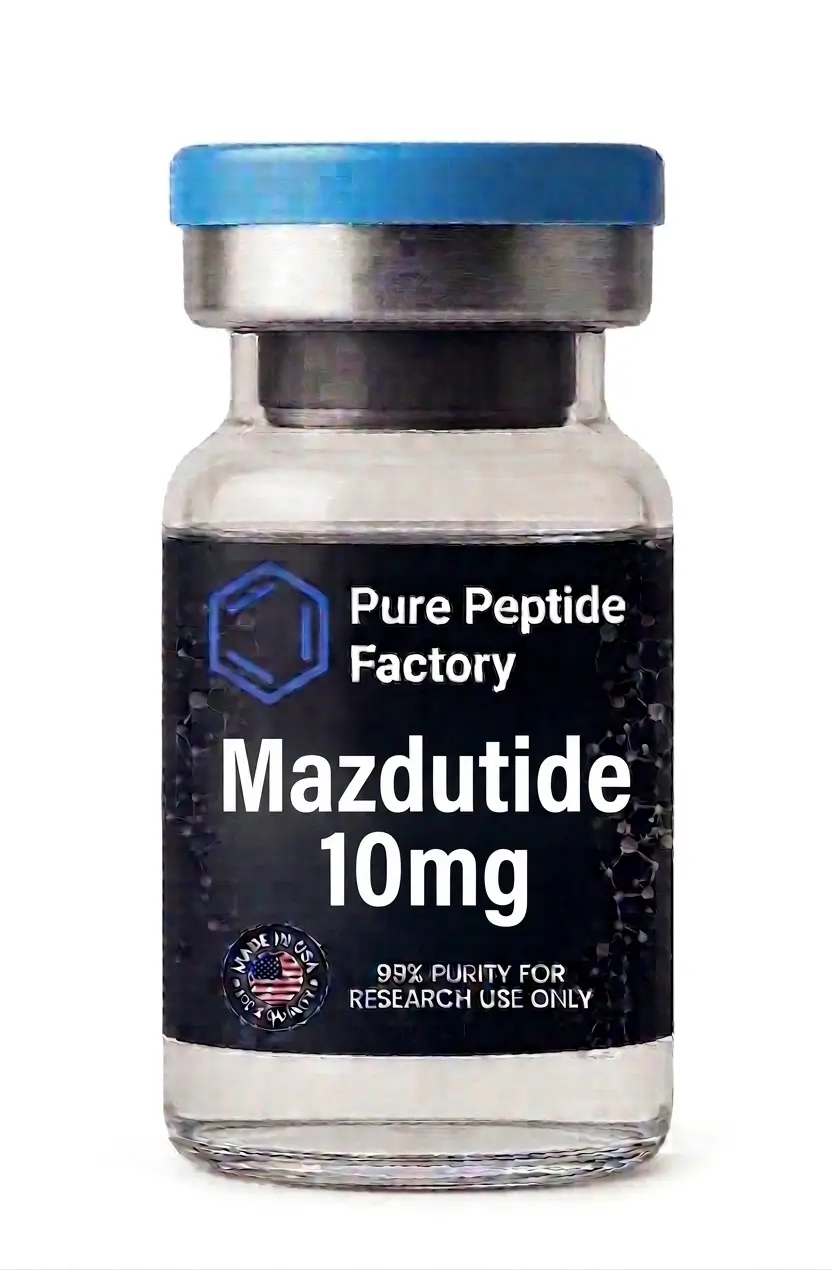
Mazdutide 10 mg
$110.00 -
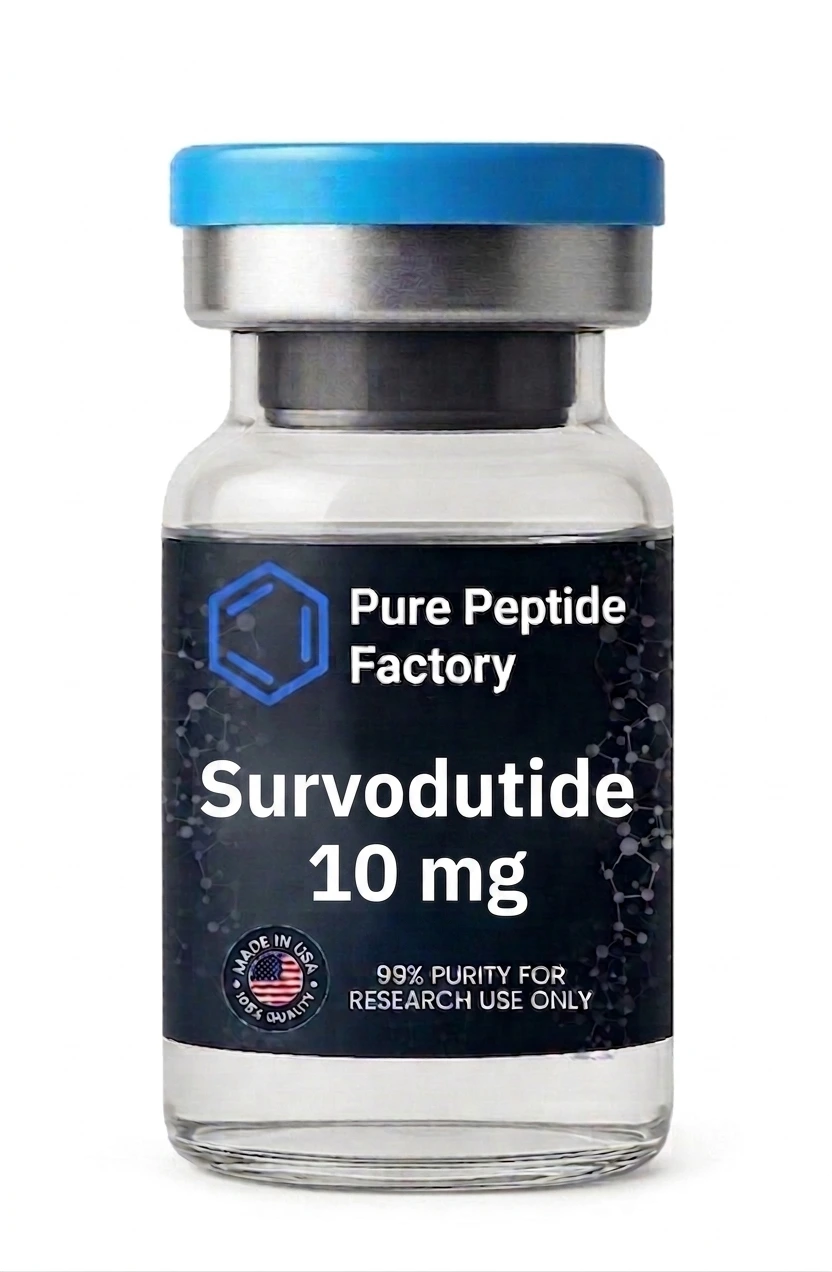
Survodutide 10 mg
$100.00